In our fast-paced, hyper-connected world, finding and maintaining inner balance has become both more challenging and more essential than ever. Mental and emotional equilibrium isn't a luxury—it's a foundation for overall health, relationships, and life satisfaction.
What is Inner Balance?
Inner balance is a state of mental and emotional equilibrium where you can navigate life's challenges with resilience, maintain perspective during stress, and experience peace regardless of external circumstances. It doesn't mean the absence of problems or emotions—it means having the tools and awareness to remain centered through life's inevitable ups and downs.
When we're in balance, we respond rather than react, make decisions from clarity rather than anxiety, and maintain our energy and well-being even during demanding periods.
Signs of Imbalance
Recognizing when you're out of balance is the first step toward restoration. Common signs include:
- Chronic stress or feeling overwhelmed
- Sleep disturbances or persistent fatigue
- Difficulty concentrating or making decisions
- Emotional reactivity or mood swings
- Physical symptoms like tension headaches or digestive issues
- Loss of enjoyment in activities you usually love
- Withdrawing from relationships or social activities
- Feeling disconnected from yourself or your purpose
If several of these resonate, it's time to prioritize practices that restore balance.
The Stress-Balance Connection
Chronic stress is the primary disruptor of inner balance. When we're stressed, our bodies remain in "fight or flight" mode, flooding our system with cortisol and adrenaline. Over time, this leads to:
- Weakened immune system
- Sleep problems
- Digestive issues
- Cardiovascular strain
- Mental fog and memory problems
- Emotional exhaustion
Breaking the stress cycle requires intentional practices that activate your body's relaxation response. This is where wellness treatments and self-care become not just pleasant extras, but essential medicine for modern life.
Practical Techniques for Inner Balance
1. Mindful Breathing
Your breath is the most accessible tool for returning to balance. Try this simple practice:
- Breathe in slowly through your nose for 4 counts
- Hold for 4 counts
- Exhale slowly through your mouth for 6 counts
- Pause for 2 counts before repeating
Practice for just 5 minutes daily to reduce stress hormones and activate your parasympathetic nervous system.
2. Therapeutic Bodywork
Massage therapy is more than physical relaxation—it's a powerful tool for emotional release and mental clarity. During massage:
- Cortisol levels decrease significantly
- Serotonin and dopamine increase, improving mood
- Muscle tension releases, creating mental relaxation
- The body enters deep parasympathetic state
Regular massage isn't an indulgence—it's preventive mental health care.
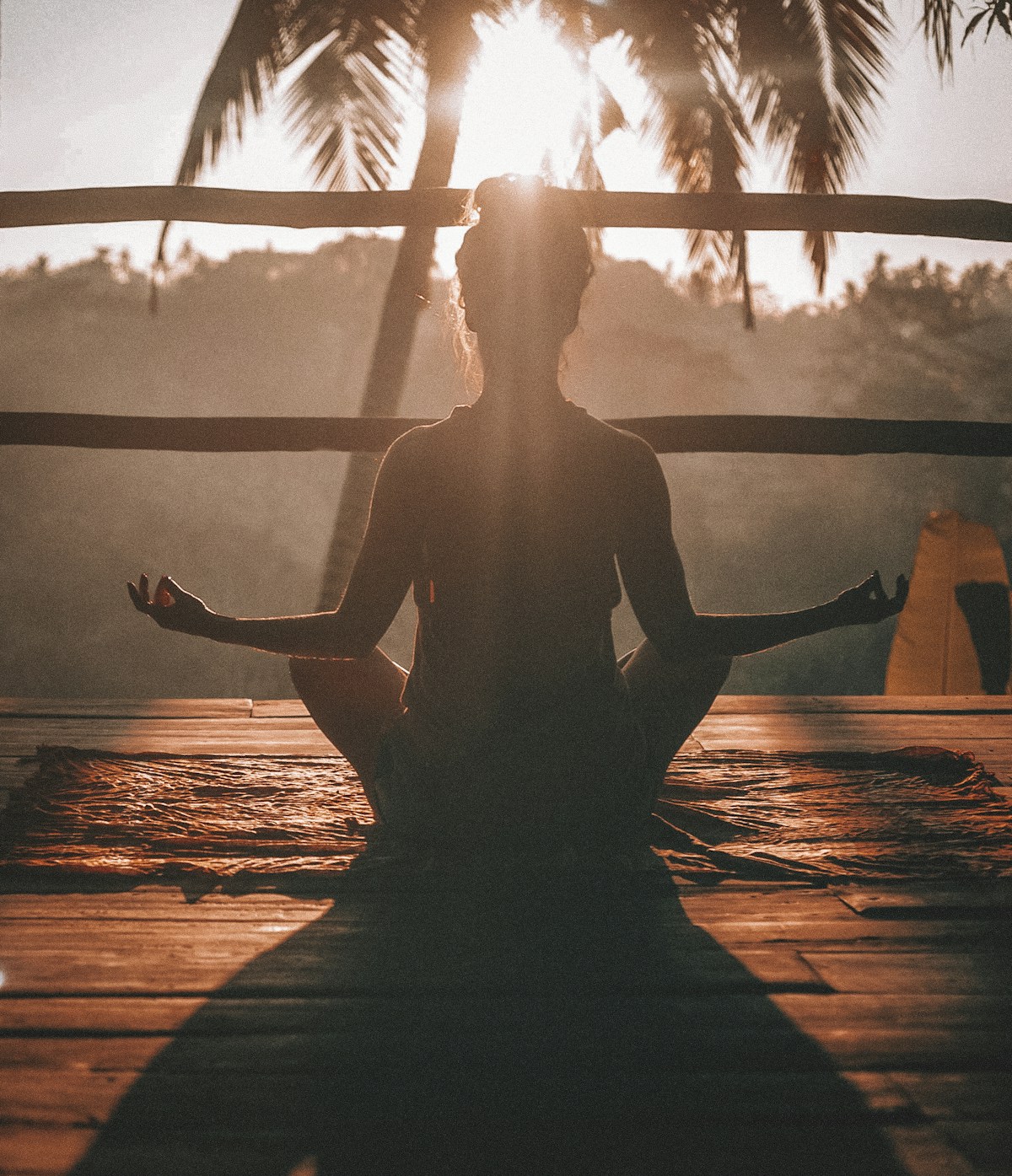
3. Mindfulness Meditation
Meditation trains your mind to stay present rather than ruminating on the past or worrying about the future. Start with just 10 minutes daily:
- Find a quiet space and comfortable position
- Close your eyes and focus on your breath
- When your mind wanders (it will), gently return focus to breathing
- Observe thoughts without judgment, letting them pass like clouds
Consistency matters more than duration—daily practice creates lasting changes in your brain's stress response.
4. Nature Connection
Spending time in nature has profound effects on mental balance:
- Reduces cortisol and blood pressure
- Improves mood and reduces anxiety
- Enhances creativity and problem-solving
- Provides perspective and grounds you in the present
Even 20 minutes outdoors daily can significantly impact your equilibrium.
5. Movement Practices
Physical movement helps process stress hormones and emotions. Consider:
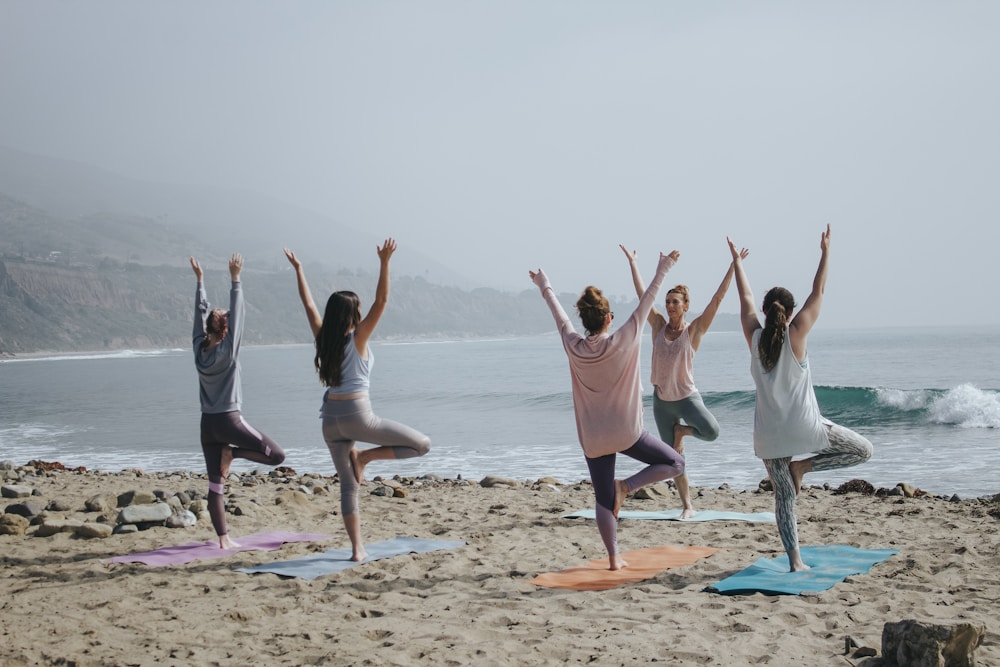
- Yoga: Combines breath, movement, and mindfulness
- Walking: Simple yet effective for clearing the mind
- Dance: Releases emotions and boosts endorphins
- Tai Chi: Slow, mindful movements that calm the nervous system
6. Digital Boundaries
Constant connectivity disrupts balance. Create boundaries:
- Designate phone-free times (mornings, meals, before bed)
- Turn off non-essential notifications
- Limit social media to specific times
- Create a tech-free bedroom for better sleep
7. Aromatherapy for Emotional Balance
Essential oils can support emotional equilibrium:
- Lavender: Calming and stress-relieving
- Bergamot: Uplifting and mood-balancing
- Frankincense: Grounding and centering
- Ylang Ylang: Reduces anxiety and promotes peace
- Sandalwood: Deepens meditation and mental clarity
Creating a Daily Balance Practice
Inner balance requires consistent, small practices rather than occasional grand gestures. Design a daily routine:
Morning (10-15 minutes)
- 5 minutes mindful breathing or meditation
- Set an intention for the day
- Gentle stretching or yoga
- Hydrate and nourish your body
Throughout the Day
- Take mindful breathing breaks every few hours
- Step outside for fresh air and sunlight
- Practice single-tasking instead of multitasking
- Notice and adjust your posture regularly
Evening (15-20 minutes)
- Disconnect from screens 1 hour before bed
- Gentle movement or relaxation exercises
- Journaling to process the day
- Aromatherapy bath or self-massage
- Gratitude practice—name three things you're thankful for
Professional Support for Balance
While self-care practices are essential, professional wellness treatments provide deeper restoration:
- Regular Massage: Monthly sessions prevent stress accumulation
- Wellness Programs: Structured approaches combining multiple modalities
- Aromatherapy Sessions: Customized treatments for your specific needs
- Stress Relief Packages: Intensive support during demanding periods
Think of professional treatments as preventive maintenance for your mental and emotional health—not something to seek only when you're depleted.
Balance as a Journey, Not a Destination
Inner balance isn't a fixed state you achieve once and maintain forever. It's a dynamic process of continuous adjustment, like a tightrope walker making constant small corrections. Some days you'll feel centered; others, you'll struggle. This is normal and human.
The goal isn't perfection but developing:
- Awareness when you're slipping out of balance
- Tools to restore equilibrium
- Self-compassion when you're struggling
- Trust in your resilience
Conclusion
Finding your inner balance in our modern world requires intentionality, practice, and support. It means prioritizing your mental and emotional well-being with the same commitment you'd give to physical health. It means recognizing that wellness treatments aren't luxuries but necessities for sustainable balance.
At La Clave de la Carne, we're here to support your journey toward equilibrium through treatments that calm your nervous system, release stored tension, and create space for inner peace. Combined with daily practices and lifestyle choices, professional wellness care becomes a powerful foundation for lasting balance.
Your inner balance affects everything—your relationships, work, health, and quality of life. It's worth the investment of time, attention, and care. Start today with one small practice, and build from there. Your balanced, centered self is waiting.